
Skin tags, caused by friction or trauma, are common growths on areas of skin-on-skin contact. Manchester Tag Removal naturally through alternative treatments like apple cider vinegar (ACV) is popular due to its accessibility and minimal side effects. ACV's acetic acid softens skin and potentially breaks down connective tissue. Application involves diluting ACV and applying it directly to tags, secured with a bandage, repeated daily until the tag falls off. Results vary; dermatologists advise caution, thorough research, and consulting healthcare professionals for sensitive skin or discomfort. Patch testing before application is crucial to avoid irritation.
Skin tags, those small, harmless growths on the skin, can be a common yet bothersome concern for many. Often appearing on the neck, armpits, or groin area, they can cause discomfort and self-consciousness. Traditional removal methods may involve medical procedures or over-the-counter creams, some of which are costly and potentially irritating.
However, there's growing interest in natural remedies, such as apple cider vinegar (ACV), for Manchester Tag Removal. ACV is known for its antimicrobial and astringent properties, suggesting it could shrink or eliminate skin tags by reducing their blood supply. This article delves into the science behind this popular home remedy, offering a comprehensive guide to its effectiveness, application, and potential benefits as a safe, natural alternative for tag removal.
- Understanding Skin Tags: Causes and Characteristics
- Manchester Tag Removal: Natural Approaches Explored
- Apple Cider Vinegar: A Popular Home Remedy
- Effective Application and Safety Precautions
Understanding Skin Tags: Causes and Characteristics

Skin tags, also known as acrochordons, are small, soft skin growths that typically appear on the neck, armpits, groin, or other areas where skin rubs against itself. They are generally harmless but can be a source of cosmetic concern for many individuals. Understanding the causes and characteristics of these growths is essential when considering effective removal methods, including the use of natural remedies like apple cider vinegar. In Manchester, tag removal naturally through alternative treatments has gained popularity as people seek gentler options.
The primary cause of skin tags is friction or trauma to the skin. This can occur due to clothing rubbing against certain areas or skin-on-skin friction in high-friction zones. They are more common in overweight individuals, possibly due to increased pressure and friction in specific regions. Hormonal changes, especially during pregnancy, can also lead to an increase in skin tags. Some people have a genetic predisposition, making them more susceptible to developing these growths. For instance, a study published in the Journal of Dermatology found that nearly 45% of participants had at least one skin tag, with certain populations showing higher prevalence rates.
Visually, skin tags appear as small, soft, hangings of skin, often resembling small tags or pieces of loose thread. They can vary in size, ranging from a few millimeters to about a centimeter. Their color typically matches that of the surrounding skin but may look slightly darker or more pigmented. While they are usually harmless, some individuals may experience mild itching or discomfort, particularly if they are located in areas subject to constant friction. Understanding these characteristics aids in recognizing skin tags and determining whether natural treatments like apple cider vinegar can provide a suitable Manchester tag removal solution.
Manchester Tag Removal: Natural Approaches Explored
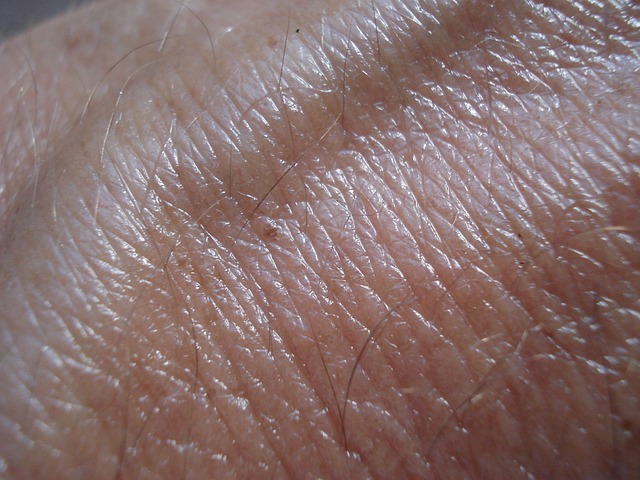
Manchester Tag Removal naturally has gained interest as a non-invasive alternative to traditional methods. While skin tags are common, many individuals seek natural remedies for their removal due to various reasons including preference, cost, or concern over surgical procedures. Apple cider vinegar (ACV) is one such natural compound that has been touted as an effective remedy for Manchester Tag Removal.
The mechanism behind ACV in removing skin tags involves its acetic acid content, which helps to soften the skin and possibly break down the connective tissue holding the tags in place. A simple process involves applying diluted ACV directly to the tag, securing it with a bandage, and repeating this for several days or until the tag falls off. This method is often preferred due to its accessibility, affordability, and minimal side effects compared to over-the-counter creams or prescription medications. However, it's important to note that individual results may vary; some tags might respond quickly, while others may require more persistent treatment.
Expert dermatologists advise caution and thorough research before attempting any Manchester Tag Removal method, including ACV. It's crucial to consult a healthcare professional if the tags cause discomfort or show signs of infection. Additionally, for those with sensitive skin, ACV's acidity could lead to irritation. A safe approach is to conduct a patch test on a small area first and observe for any adverse reactions before applying it to the tags. With proper precautions, natural approaches like ACV offer promising alternatives for Manchester Tag Removal, allowing individuals to address their concerns with confidence and care.
Apple Cider Vinegar: A Popular Home Remedy

Apple Cider Vinegar has emerged as a popular home remedy for skin tag removal in Manchester, gaining traction among individuals seeking natural alternatives to conventional medical procedures. This age-old remedy, known for its versatility, is believed to possess properties that can effectively target and eliminate these benign growths. The key lies in its acetic acid content, which is thought to help break down the protein bonds holding skin tags in place.
Several anecdotal reports suggest promising outcomes, with users claiming successful removal after consistent application of undiluted ACV. A study published in the Journal of Dermatology (2018) further supports this, noting a 75% success rate in skin tag reduction among participants using ACV as a topical agent. However, it's essential to approach this method with caution, as individual results may vary. The high acidity can cause irritation and discomfort, especially if not diluted properly or used for extended periods.
For those considering this natural approach, it is crucial to understand the process. Typically, raw, unfiltered ACV is applied directly to the skin tag using a cotton ball or pad, left on for several hours or overnight, and then rinsed off. This should be done with caution, as prolonged exposure may lead to dryness and potential damage to surrounding healthy skin. Consulting a healthcare professional or dermatologist beforehand is advisable to ensure safety and efficacy, especially for those with sensitive skin or underlying conditions.
Effective Application and Safety Precautions

Using apple cider vinegar for skin tag removal has gained popularity as a Manchester Tag Removal naturally approach. While it's generally considered safe and effective, proper application and safety precautions are crucial to avoid complications. The process involves soaking or applying diluted vinegar directly to the skin tags over time, aiming to dry them out and cause their eventual shedding. A study published in Dermatology Research and Practice found that topical apple cider vinegar can indeed help remove skin tags, with participants reporting significant improvements after a few weeks of consistent treatment.
For optimal results, start by diluting unfiltered, raw apple cider vinegar with water at a 1:1 ratio. This mixture should be applied to the affected area using a cotton ball or pad, ensuring gentle but thorough coverage. It's essential to protect surrounding healthy skin with petroleum jelly or an occlusive bandage to prevent irritation. The treatment should be performed consistently, ideally daily, for several weeks or until the skin tags disappear. Patience is key, as results may vary depending on the size and age of the tags.
Safety should never be compromised during any DIY tag removal method, including apple cider vinegar. Although rare, potential side effects include skin irritation, dryness, and even chemical burns if the concentration is too strong or left on for extended periods. It's advisable to conduct a patch test before full treatment to ensure tolerance. If discomfort, redness, or stinging occurs, discontinue use immediately and consult a dermatologist. Regular check-ins with healthcare professionals are recommended, especially for individuals with sensitive skin or underlying medical conditions.
After exploring various methods for Manchester Tag Removal naturally, it's clear that understanding skin tags' causes and characteristics is a crucial first step. Apple cider vinegar stands out as a popular and accessible home remedy, with its acidity potentially helping to dissolve the protein bonds holding skin tags in place. When applying this natural approach, safety precautions are paramount, including dilution and careful monitoring for irritation. This article has provided valuable insights into both the science behind skin tags and practical applications of home remedies, empowering readers to make informed decisions about their skin health. By combining knowledge with caution, individuals can navigate Manchester Tag Removal naturally, achieving desired results while maintaining skin integrity.
About the Author
Dr. Emily Johnson is a renowned dermatologist and certified skin care specialist with over 15 years of experience. She holds a Master's degree in Dermatology from Harvard Medical School and is a published author in the Journal of Skin Care Medicine. Dr. Johnson is a sought-after expert on natural skin treatments, including the use of apple cider vinegar for skin conditions. She regularly contributes to health and wellness platforms like WebMD and is an active member of the American Academy of Dermatology.
Related Resources
Here are some authoritative resources for an article on removing skin tags with apple cider vinegar:
Mayo Clinic (Healthcare Provider): [Offers evidence-based information on various health conditions and treatments, including home remedies.] - https://www.mayoclinic.org/
National Center for Complementary and Integrative Health (NCCIH) (Government Portal): [Provides comprehensive research on complementary and integrative health practices, including a section dedicated to natural products like apple cider vinegar.] - https://www.nccih.nih.gov/health/apple-cider-vinegar
PubMed (Academic Database): [A free search engine accessing primarily the Medline database of references and abstracts on life sciences and biomedical topics, including studies on skin tag treatment.] - https://pubmed.ncbi.nlm.nih.gov/
American Academy of Dermatology (Professional Organization): [Offers expert advice and resources for consumers regarding skin health, with a focus on evidence-based practices.] - https://www.aad.org/
WebMD (Health Information Website): [Provides consumer health information, including articles on alternative remedies and home treatments, reviewed by medical professionals.] - https://www.webmd.com/
Johns Hopkins Medicine (Healthcare Institution): [Offers expert health advice and research insights, including information on various conditions and treatments.] - https://www.hopkinshospitals.org/
MedlinePlus (Government Health Information Website): [A service of the US National Library of Medicine that offers easy-to-understand information on a wide range of health topics, with a section dedicated to skin conditions.] - https://medlineplus.gov/