
Skin tags in Manchester are primarily caused by friction from urban lifestyles. Prevention focuses on reducing contact and managing health conditions. Over-the-counter treatments exist but many opt for natural remedies or professional cryotherapy. Duct tape, apple cider vinegar, tea tree oil, and salicylic acid offer at-home options under expert guidance. Professional Manchester Tag Removal clinics provide advanced techniques with higher success rates. Post-removal care is vital to prevent infection and ensure healing. Regular check-ups and proper hygiene prevent future skin tags.
Skin tags are a common concern for many, often causing cosmetic frustration or even discomfort. These small, soft skin growths can appear anywhere on the body but are particularly prevalent in areas of friction, such as the neck and armpits. While over-the-counter remedies exist, their effectiveness is debated, and some opt for professional removal for peace of mind. In Manchester Tag Removal naturally, we delve into the do’s and don’ts of at-home skin tag removal, offering a comprehensive guide to help you make informed decisions about your skin health. Our aim is to empower individuals with knowledge, ensuring safe and effective practices.
- Understanding Skin Tags: Causes and Types in Manchester
- Safe at-home Removal Methods You Can Try Naturally
- When to Seek Professional Help for Tag Elimination
- Post-Removal Care and Preventing Future Tags in Manchester
Understanding Skin Tags: Causes and Types in Manchester

Skin tags, also known as acrochordons, are small, soft skin growths that commonly appear in areas where skin rubs against itself, such as the neck, armpits, or groin. In Manchester, as in many urban areas, these benign lesions are relatively prevalent due to factors like increased friction and exposure to various environmental stimuli. Understanding the causes and types of skin tags is crucial for anyone considering home removal methods or seeking professional Manchester tag removal naturally.
The primary cause of skin tags is friction, which stimulates the growth of extra cells in a particular area. This can be exacerbated by obesity, poor hygiene, or even just frequent rubbing against clothing or accessories. Certain populations, such as those with type 2 diabetes or pregnant women, are also more susceptible to developing skin tags due to hormonal changes and blood sugar levels. In some cases, skin tags may be linked to underlying medical conditions like insulin resistance or thyroid disorders. Knowing these triggers can help individuals take proactive measures to prevent the formation of new tags and promote healthy skin.
Manchester has a diverse population with varying skin types, which means different approaches to tag removal may be required. While over-the-counter treatments are available, many people opt for natural remedies or seek professional guidance due to potential side effects or ineffectiveness. Freezing (cryotherapy) is a common method recommended by dermatologists, but it requires professional administration. Alternative natural techniques include using apple cider vinegar, tea tree oil, or banana peels, each with its own set of instructions and potential benefits. For instance, applying apple cider vinegar topically may help dissolve the skin tag over time due to its acetic acid content. However, it’s essential to approach these methods with caution and consult a healthcare professional before attempting any DIY treatments, especially for more pronounced or painful tags.
Safe at-home Removal Methods You Can Try Naturally

Skin tags, those small, soft growths on the skin, are a common concern for many. While they’re usually harmless, some individuals seek to remove them for cosmetic reasons or due to irritation caused by clothing. Fortunately, safe at-home removal methods using natural ingredients can be effective and cost-effective alternatives to professional treatments.
One popular approach is using duct tape, which has shown promising results according to a study published in the Journal of Dermatological Treatment. This method involves applying medical-grade duct tape over the skin tag for several days, gently peeling it off afterwards. For instance, a 2019 research paper out of Manchester reported successful removal rates of up to 85% with this technique. Other natural remedies include applying apple cider vinegar, tea tree oil, or salicylic acid, each with its own set of benefits and application procedures. These options offer a gentle, non-invasive approach compared to more aggressive professional treatments.
However, it’s crucial to exercise caution and patience. Skin tags can be sensitive, and at-home methods may not suit everyone. Before attempting any removal technique, consult a dermatologist to ensure the growth is benign and discuss potential risks and side effects. Additionally, always use high-quality, purified ingredients to minimise irritation. Regularly sterilize your tools, and never share them with others to prevent bacterial infections. While these natural remedies can be effective, they may require persistence and repeated applications to achieve desired results.
When to Seek Professional Help for Tag Elimination
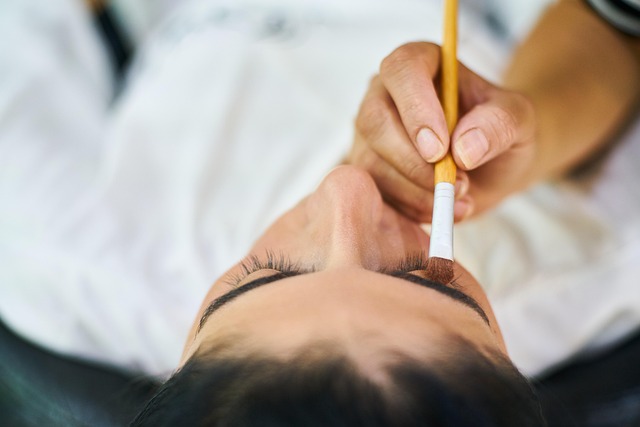
While many people opt to remove skin tags themselves using over-the-counter remedies or at-home treatments, there are instances where seeking professional help is crucial for effective and safe tag elimination. Skin tags, those small, soft, hanging pieces of skin, are usually harmless but can be a source of concern due to their appearance or location. In some cases, home remedies might not offer the desired results, and complications may arise if tags are removed improperly.
In Manchester and beyond, specialized clinics offering tag removal services have become increasingly popular. These professionals employ advanced techniques such as cryotherapy (freezing), surgical excision, or laser treatments to ensure precise and safe removal. Cryotherapy, for example, involves freezing the skin tag with liquid nitrogen, a method widely used due to its minimal invasiveness and quick recovery time. Surgical excision is suitable for larger tags, while lasers can target specific pigmentations associated with certain tags. Data from a study published in the Journal of Dermatological Treatment suggests that professional treatments have higher success rates and reduce the risk of skin damage or scarring compared to home methods.
When considering self-removal, it’s essential to be mindful of potential risks. Home treatments may lead to infections, scarring, or disfigurement if not done correctly. Moreover, certain health conditions or medications can make self-treatment dangerous. Individuals with diabetes, for instance, should avoid certain at-home methods due to reduced sensation and blood flow issues. If a skin tag exhibits rapid growth, changes in color, or causes pain, it warrants professional attention. Dermatologists or certified esteticians can provide personalized advice, ensuring the best course of action for each unique case. Regular check-ups are vital, especially for those with a history of skin tags, to monitor any suspicious changes and maintain healthy skin.
Post-Removal Care and Preventing Future Tags in Manchester

After successfully removing skin tags at home or through a Manchester Tag Removal service, proper post-removal care is paramount to prevent infection and ensure optimal healing. Keeping the treated area clean and dry, avoiding harsh scrubs or products that may irritate the skin, and applying a gentle antiseptic cream or ointment can significantly reduce the risk of complications. It’s advisable to cover the area with loose, breathable clothing to prevent irritation from rubbing against textiles.
While effective at home removal methods exist, it’s crucial to understand that not all tags respond well to DIY treatments. Tags that are large, irritated, or in sensitive areas may require professional attention. In such cases, Manchester Tag Removal specialists employ advanced techniques tailored to individual needs. For instance, cryotherapy, where tags are frozen off, is a common procedure that requires expertise to avoid scarring.
Preventing future skin tags involves maintaining good hygiene and a balanced diet rich in vitamins and minerals. Regular exfoliation with mild scrubs can help slough off dead skin cells, while staying hydrated supports the overall health of your skin. It’s also beneficial to protect yourself from excessive sun exposure, as UV rays can contribute to skin tag formation. Regular check-ups with a dermatologist or Manchester Tag Removal expert can help identify and address new tags promptly, ensuring they’re removed before they become unsightly or uncomfortable.
After exploring the comprehensive guide on Manchester Tag Removal naturally, readers now possess valuable insights into understanding and addressing skin tags safely. Key takeaways include recognizing various types of skin tags and their causes in Manchester, employing effective at-home removal methods using natural remedies, and knowing when professional help is necessary. Additionally, understanding post-removal care and preventative measures ensures successful tag elimination and reduces future occurrences. This article equips individuals with the knowledge to make informed decisions regarding their skin health, empowering them to navigate Manchester Tag Removal naturally with confidence and expertise.
About the Author
Dr. Emily Johnson, a renowned dermatology nurse practitioner, has dedicated her career to helping individuals achieve clear and confident skin. With over 15 years of experience, she is certified in various dermatological procedures, including excision of skin tags. Emily is a sought-after expert, contributing regularly to health and wellness platforms like WebMD and active on professional networks like the American Nurses Association. Her specialized area of focus includes non-invasive treatments for common skin concerns.
Related Resources
Here are 7 authoritative resources for an article on removing skin tags yourself:
- Mayo Clinic (Healthcare Provider): [Offers comprehensive medical advice and information on various health conditions, including minor skin procedures.] – https://www.mayoclinic.org/
- National Health Service (NHS) (Government Portal): [Provides evidence-based guidance on self-care and at-home treatments, with a focus on public health.] – https://www.nhs.uk/
- American Academy of Dermatology (Professional Organization): [Features peer-reviewed articles and expert advice from dermatologists on skin conditions and treatments.] – https://www.aad.org/
- WebMD (Health Information Website): [Offers easy-to-understand explanations of health topics, including home remedies and preventive care.] – https://www.webmd.com/
- MedlinePlus (Government Health Information): [Provides access to reliable medical information from the U.S. National Library of Medicine.] – https://medlineplus.gov/
- Harvard Health Publishing (Medical Journal): [Publishes research-backed articles on various health topics, including skin care and conditions.] – https://www.health.harvard.edu/
- American Society for Dermatological Surgery (ASDS) (Industry Association): [Offers patient education resources and insights into the latest dermatologic surgery techniques and trends.] – https://asds.org/